Schedule Your Free Inspection Today, and Join Hundred's of Homeowner's Who've Trusted Lux Builders With Their Homes

Storm Damage Roof Insurance Claims in Minnesota: A Complete 2026 Guide
A step-by-step guide for Minnesota homeowners filing a roof insurance claim after storm damage. Learn what's covered under MN law, how to document damage, what the adjuster process looks like, and the contractor red flags that cost homeowners thousands every storm season. From the roofing pros at Lux Builders LLC serving Roseville, Maple Grove, Plymouth, Rogers, and the Northwest Twin Cities metro.
Lux Builders LLC
6/23/20268 min read
Understanding Your Coverage: What's Included and Excluded
When navigating storm damage roof insurance claims in Minnesota, it is essential for homeowners to grasp the nuances of their insurance coverage. According to Minnesota Statute §65A.01, all homeowners insurance policies must provide coverage for damages caused by hail and wind. This statute serves as a vital safety net for residents, ensuring that they are protected against some of the most common storm-related damages. Homeowners can expect their policies to cover the costs associated with repairing or replacing roofs that have suffered significant damage from these elements.
However, understanding what is included in these coverages also requires familiarity with the common exclusions typically found in insurance contracts. While hail and wind damage are uniformly mandated, other types of weather-related issues may not be covered under standard policies. For instance, homeowners should be aware that damages stemming from lack of maintenance, such as leaks from an aging roof, are usually excluded from coverage. Furthermore, flooding caused by heavy rains, which may accompany storms but are classified separately, generally requires a distinct flood insurance policy.
Understanding these exclusions is crucial to avoid unpleasant surprises when filing a claim. Homeowners may also want to consider additional endorsements or riders that can provide broader coverage tailored to specific needs. Additionally, it is important to assess the deductibles outlined in the policy, as they can significantly affect the out-of-pocket costs during the claims process. Providing clarity on both inclusions and exclusions can empower homeowners to make informed decisions when faced with storm damage, ensuring they fully understand their rights and responsibilities within their insurance agreements.
RCV vs. ACV Policy Types: What You Need to Know
When navigating storm damage roof insurance claims in Minnesota, understanding the distinctions between Replacement Cost Value (RCV) and Actual Cash Value (ACV) policies is crucial for homeowners. Both policy types have particular methodologies that significantly affect how claims are processed and settled.
RCV policies provide coverage for the total cost of replacing or repairing your roof without accounting for depreciation. This means if your roof requires replacement after a storm, the policy will cover the full cost of a new roof, allowing you to restore your property to its pre-damaged condition. This is particularly advantageous for homeowners who may face substantial roofing expenses following storm-related damages.
Conversely, ACV policies factor in depreciation, meaning they only compensate homeowners for the actual cash value of the roof at the time of the loss. For example, if your roof has a lifespan of 20 years and it is only 10 years old at the time of damage, the insurer may calculate the payout based on what a comparable roof would be worth today, not considering the costs to install a new one. This often results in a significantly lower payout, which can leave homeowners to cover the gap between the insurance settlement and the cost of repairs themselves.
It’s also essential to be aware of the two-check payout structure commonly associated with ACV policies. Typically, the first check is for the depreciated value of the roof, while the second check is issued once the repairs are completed, reflecting the remaining replacement costs. Understanding these dynamics is vital for homeowners to make informed decisions regarding their insurance coverage. By carefully evaluating RCV versus ACV policies and understanding their implications, homeowners can better safeguard themselves against unexpected financial burdens following storm damage.
Understanding Wind and Hail Deductibles
In the realm of storm damage roof insurance claims, particularly in Minnesota, understanding wind and hail deductibles is fundamental to effective financial planning. These deductibles typically operate on a percentage basis, meaning they will be calculated as a percentage of the home's insured value. Generally, this percentage can range from 1% to 2%. For the average homeowner, these percentages can translate into significant out-of-pocket expenses in the wake of a storm.
For instance, if a homeowner has a house insured for $300,000 and their policy includes a 1% deductible for wind and hail damage, they would be responsible for a $3,000 deductible. Should a storm lead to substantial roof damage that costs $20,000 to repair, the insurance policy would cover the remaining $17,000 after the deductible is paid. Conversely, a higher percentage deductible of 2% would result in an outlay of $6,000, underscoring the need for homeowners to be proactive in understanding their coverage details.
Budgeting for these potential expenses prior to storm season is essential. Homeowners should review their policy carefully to determine the specific deductibles that apply to wind and hail damage and consider re-evaluating their coverage based on their home’s current market value. Additionally, it may be beneficial to consult with an insurance agent to discuss strategies, such as increasing premiums for lower deductibles or exploring endorsement options that may also help mitigate the financial impact of a storm.
Being equipped with this knowledge can enable homeowners to make informed decisions should they face the unfortunate circumstance of storm-related damage to their roofs. Ultimately, preparedness can reduce stress when navigating the insurance claims process following adverse weather events.
A Step-by-Step Guide to the Claims Process
Navigating the roof insurance claims process after experiencing storm damage can be challenging for homeowners. However, breaking it down into a clear, step-by-step guide can help ensure that your claim is handled efficiently and effectively.
Step 1: Document the Damage
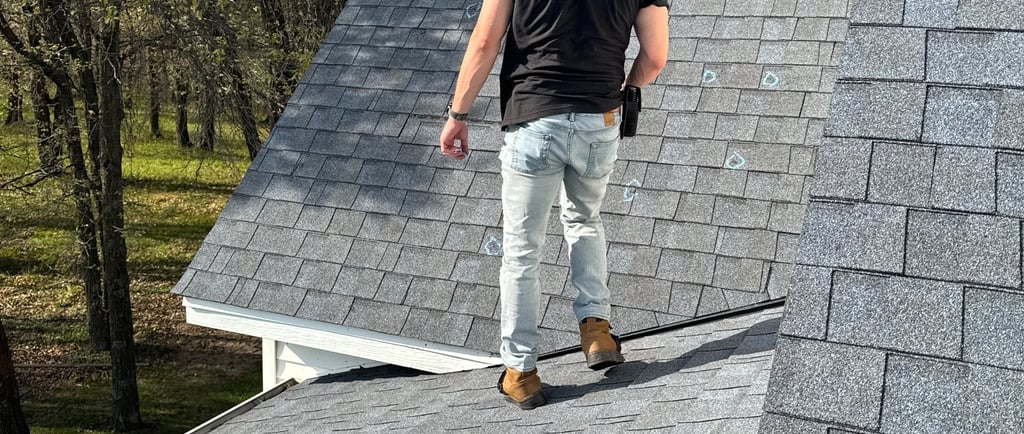
As soon as it is safe to do so, begin documenting the damage sustained to your roof. Take high-quality photos and videos from various angles to capture the extent of the destruction. This visual evidence will be critical when filing your claim and will provide a comprehensive record for your insurance company.
Step 2: Get a Contractor's Inspection
Before the insurance adjuster arrives, consider hiring a professional roofing contractor to assess the damage. A contractor can provide a detailed inspection report that outlines the necessary repairs. This information can serve as valuable support for your claim when discussing it with your insurance adjuster.
Step 3: Review Your Insurance Policy
Familiarize yourself with your insurance coverage to understand which damages are included and what your deductible entails. Knowing the specifics of your policy will help set realistic expectations regarding your claim and any out-of-pocket expenses you may incur.
Step 4: Notify Your Insurance Company
Promptly notify your insurance company about the storm damage. Many policies have specific timeframes for reporting claims, so it is crucial to act quickly. Be prepared to provide them with your damage documentation and your contractor's inspection report.
Step 5: Meet with the Adjuster
Your insurance company will likely send an adjuster to assess the damage. Be present during this meeting to provide additional information and answer any questions they may have. A good understanding of your damage documentation can aid in this discussion.
Step 6: Review the Settlement Offer
Once the adjuster completes their assessment, they will provide a settlement offer. Review this offer carefully to ensure it encompasses all necessary repairs. Don’t hesitate to negotiate if you believe the offer is inadequate based on your documentation.
Step 7: Complete Repairs and Close the Claim
After reaching a resolution with your insurance company, proceed with the repairs as outlined in your claim. Keep all receipts and documentation related to the work performed. Once repairs are completed, submit these records to your insurer, and formally close the claim.
Following these seven steps will empower you to manage the roof insurance claims process efficiently, enabling you to recover from storm damage with minimal disruptions.
Avoiding Red Flags: Recognizing Scams and Pitfalls
Homeowners in Minnesota who experience storm damage should approach the insurance claim process with vigilance to avoid falling victim to scams. One prevalent tactic is the illegal practice of waiving deductibles, as prohibited by Minnesota §325E.66. This regulation prohibits contractors from waiving the deductible payments that homeowners are responsible for when filing claims with their insurance companies. Any contractor offering to cover or eliminate your deductible may be operating outside the law. It is crucial for homeowners to stay informed about such regulations to safeguard their rights.
Additionally, homeowners should be cautious of suspicious contractors, especially those who engage in door-to-door solicitation, often referred to as "storm chasers." These individuals frequently appear immediately following a weather event, claiming they can provide urgent repairs or assistance with claims. While some may be trustworthy, many storm chasers lack proper licensing, insurance, or reputable references. A prudent approach would be to conduct thorough research on any contractor before agreeing to their services. Verify their credentials, read reviews, and seek recommendations from trusted sources.
Homeowners should also be wary of unrealistic promises, such as offers for "free roofs" through insurance claims. These types of claims often come with hidden costs or obligations, and could lead to significant out-of-pocket expenses later on. When in doubt about a contractor's practices or offers, consulting with an independent claim adjuster or an experienced insurance agent can provide clarity and help ensure that you are making informed choices. Protecting yourself from scams involves diligence and skepticism, especially during stressful situations following severe weather events.
Timely Response from Insurers: Know Your Rights
In the context of storm damage roof insurance claims in Minnesota, understanding your rights as a homeowner is crucial. Minnesota statute §72A.201 mandates that insurance companies must respond to claims within a strict timeline of 10 business days. This legislative framework is designed to ensure that insurers acknowledge and begin processing claims efficiently, thus minimizing the financial burden faced by policyholders following storm damage.
The 10-day response period applies to the initial acknowledgment of a claim, during which insurers must either accept or deny the claim. However, the specifics of a claim can vary significantly based on its complexity. For instance, more complicated claims, which may involve extensive repairs or multiple damages, might require additional time to assess accurately. In such cases, it is essential for homeowners to communicate with their insurance adjusters to gain clarity on the expected timeline.
While 10 business days is the legal requirement, it is also important for homeowners to be proactive during the claims process. By staying informed and engaged, policyholders can ensure that their claims are handled appropriately and within the expected timeframe. Should an insurer fail to respond within the stipulated period, homeowners have the right to inquire about the delay and, if necessary, escalate the matter to the state’s Department of Commerce. This department oversees insurance practices and can assist homeowners in addressing potential issues with their claims.
Empowering yourself with knowledge about Minnesota’s statutory requirements not only enables you to hold your insurer accountable but also enhances your understanding of the insurance claims process. Ensuring timely communication and knowing your rights can substantially improve your experience when dealing with storm damage roof insurance claims.
Frequently Asked Questions and Essential Information on Claiming Storm Damage
When it comes to storm damage roof insurance claims, homeowners often have numerous questions that require clarification. One common inquiry regards hail coverage specifics; homeowners should review their policies carefully, as not all plans cover hail damage comprehensively. In Minnesota, many insurers offer specific endorsements to enhance coverage for hail damage, which could be worthwhile for residents experiencing frequent storms.
Filing deadlines for storm damage claims can also be a significant concern. Most insurance companies expect claims to be reported promptly after the damage occurs; therefore, homeowners should act swiftly to ensure they are within the designated filing period. Usually, this period ranges from 30 days to one year, depending on the insurance policy.
Another crucial area of confusion is the legality surrounding deductible waivers. Homeowners may wonder if contractors can waive deductibles when performing repairs; however, this practice can violate state laws and regulations, making it essential to engage in legitimate, compliant transactions.
Homeowners should also familiarize themselves with the difference between Replacement Cost Value (RCV) and Actual Cash Value (ACV) claims. RCV compensates for the cost of replacing a damaged roof with a new one, while ACV accounts for depreciation, providing only the current value of the roof. Understanding this distinction can significantly impact the claim amount and the financial outcome post-damage.
In the unfortunate event of a denied claim, homeowners should document all communications and consider appealing the decision through their insurance company’s appeal process. Engaging with an independent adjuster or legal professional specialized in insurance can also be beneficial in navigating these complexities. Lastly, it is essential to recognize that making a claim might affect future premium costs, although many factors influence adjustments. Keeping these points in mind will empower homeowners to navigate their storm damage claims effectively.
Still Have Questions?
Have you been effected by storm damage? Just have questions about the process? We would love to hear from you, and we look forward to helping in anyway that we can! Thank you for choosing Lux Builders.
No matter the circumstances, we are committed to serving you. Maybe you are a new homeowner looking to learn more about the insurance process or maybe you're just looking for a minor roof repair - it is best to get your roof checked frequently!
Reach out today, and we promise to get back to you as soon as possible. We appreciate your trust in us, and we look forward to working together!
Contact Our Team
Veteran-Owned, Trusted By 100's Of Homeowners For All Their Exterior Projects

Powered By RWB Marketing © 2026 Lux Builders. All Rights Reserved
Service Areas
Anoka
Coon Rapids
Blaine
Roseville
St Paul